A morning walk around Otterton and Ladram Bay

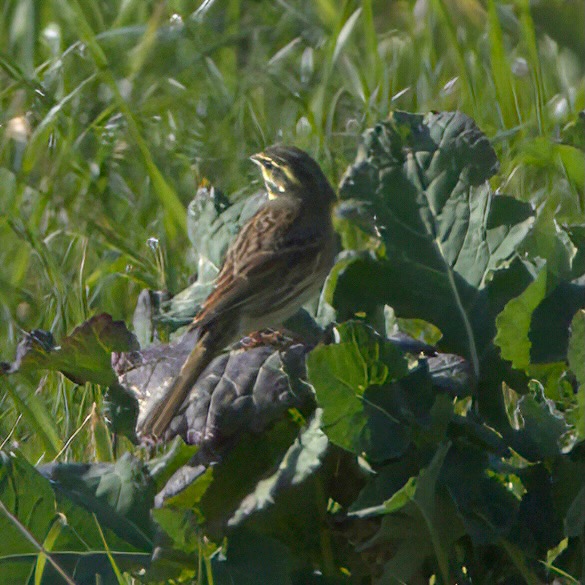
It was a lovely sunny day, with a gentle breeze, when 20 of us assembled near Stantyway Farm. It is the go-to place to find cirl buntings in east Devon; more about that later. We walked down the track passed the farm, where we saw several farmland birds, there were a lot of chaffinches in particular. My day was made when a skylark sang overhead. It was the first for the year for me, and others too, and we were serenaded most of the way round the walk. In one field on the way back was a group of about ten started some courtship display, which means that spring is definitely on the way. It quite lifts one’s spirits.
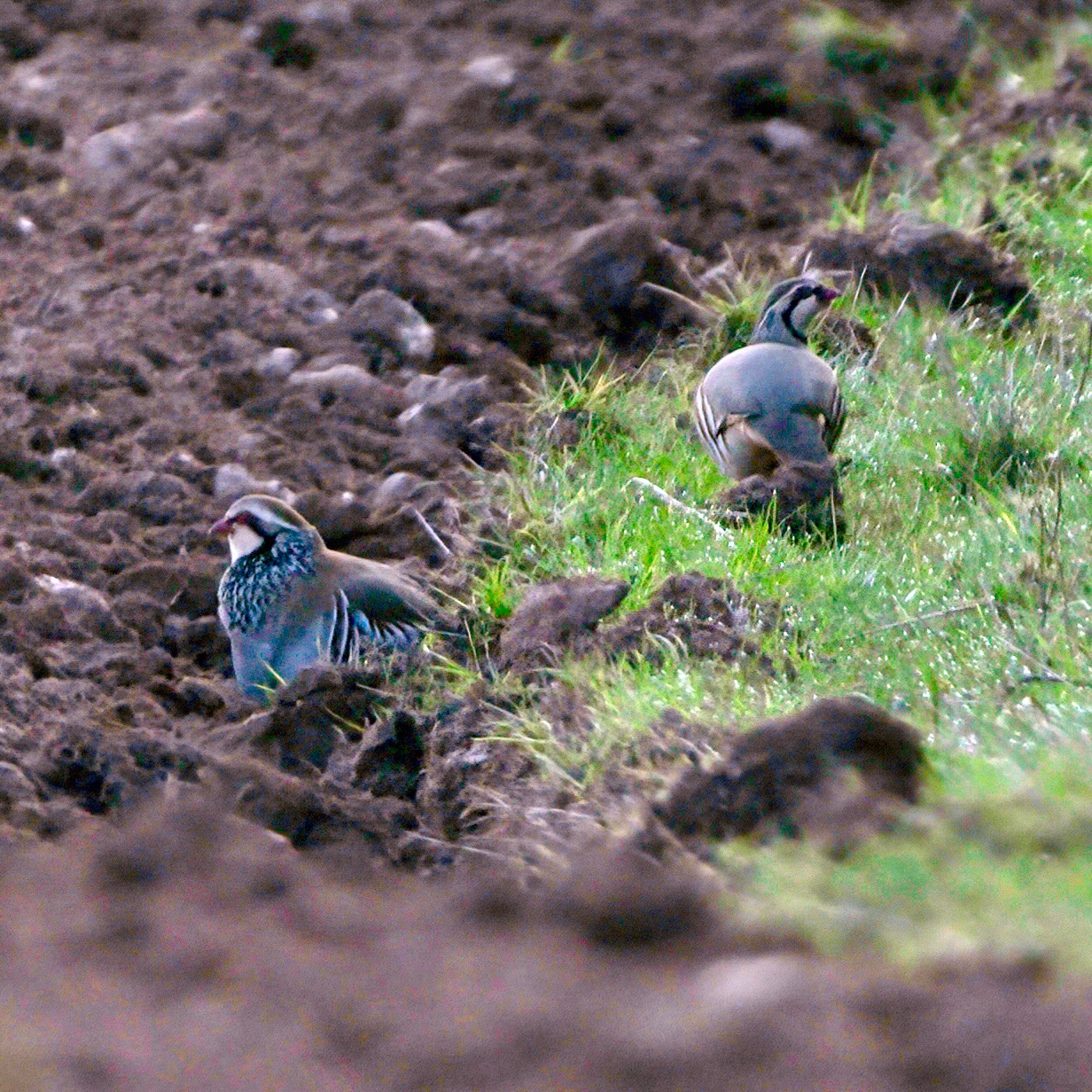
We carried on down the track. On a ploughed field Paul spotted two red-legged partridges; they certainly were well camouflaged. Then on the other side of the road there was a group of brown hares which added variety to the broth.
We then reached the sewage farm. This is interesting place. Cirl buntings were first found there 10 years or so ago, and they were fed by the then tenant farmer, Mr Williams, to keep this very small population going. With help from the RSPB, the landowner, Clinton Devon Estates, applied for agricultural scheme support, which was awarded in 2016. This resulted in the planting of spring-sown cereals and other crops, improved management of hedgerows and leaving wildlife margins around the fields. Now the birds have flourished and increased. They have spread over a wider area, and no longer need the feeder near the sewage farm. This is an encouraging conservation story. The farm is now registered organic.
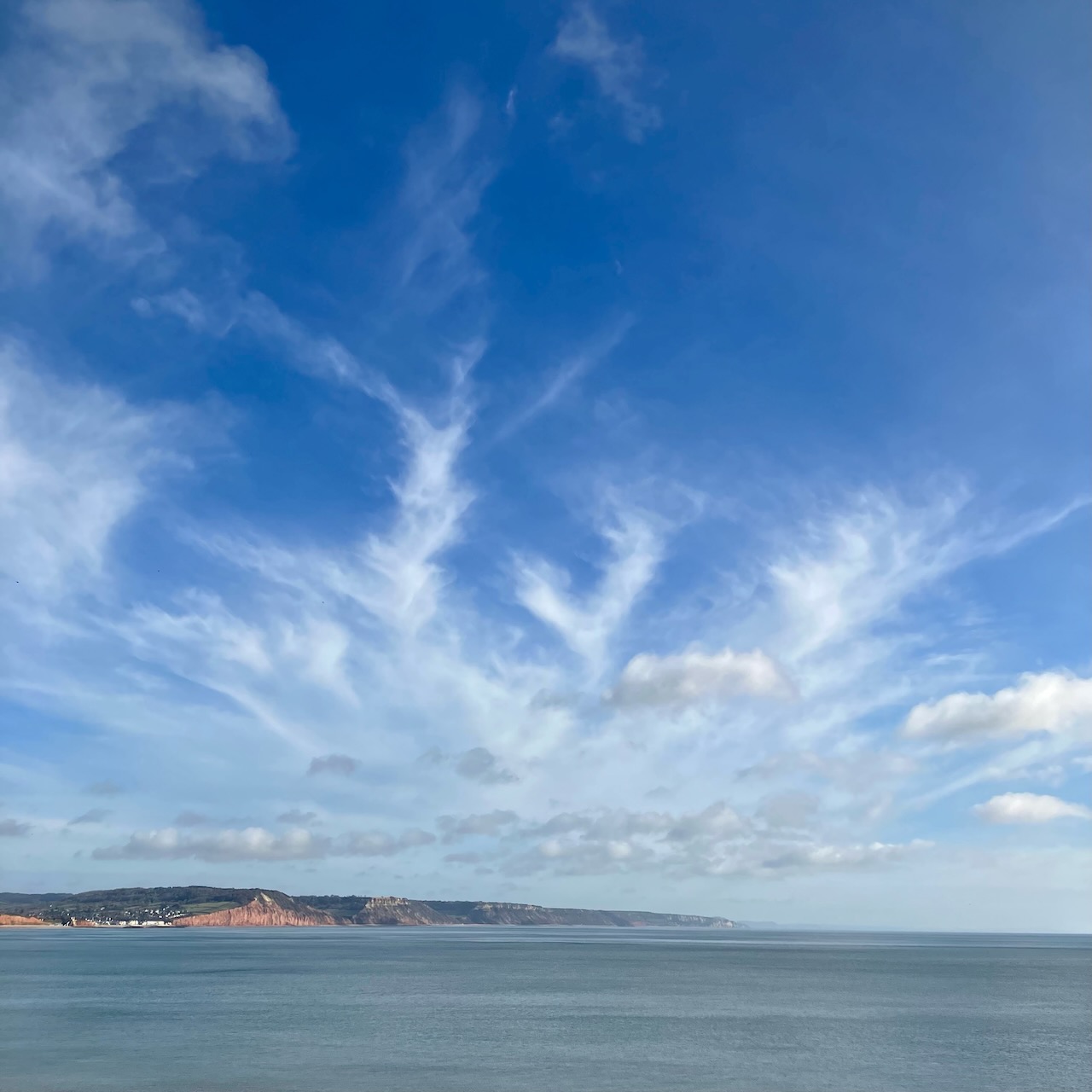
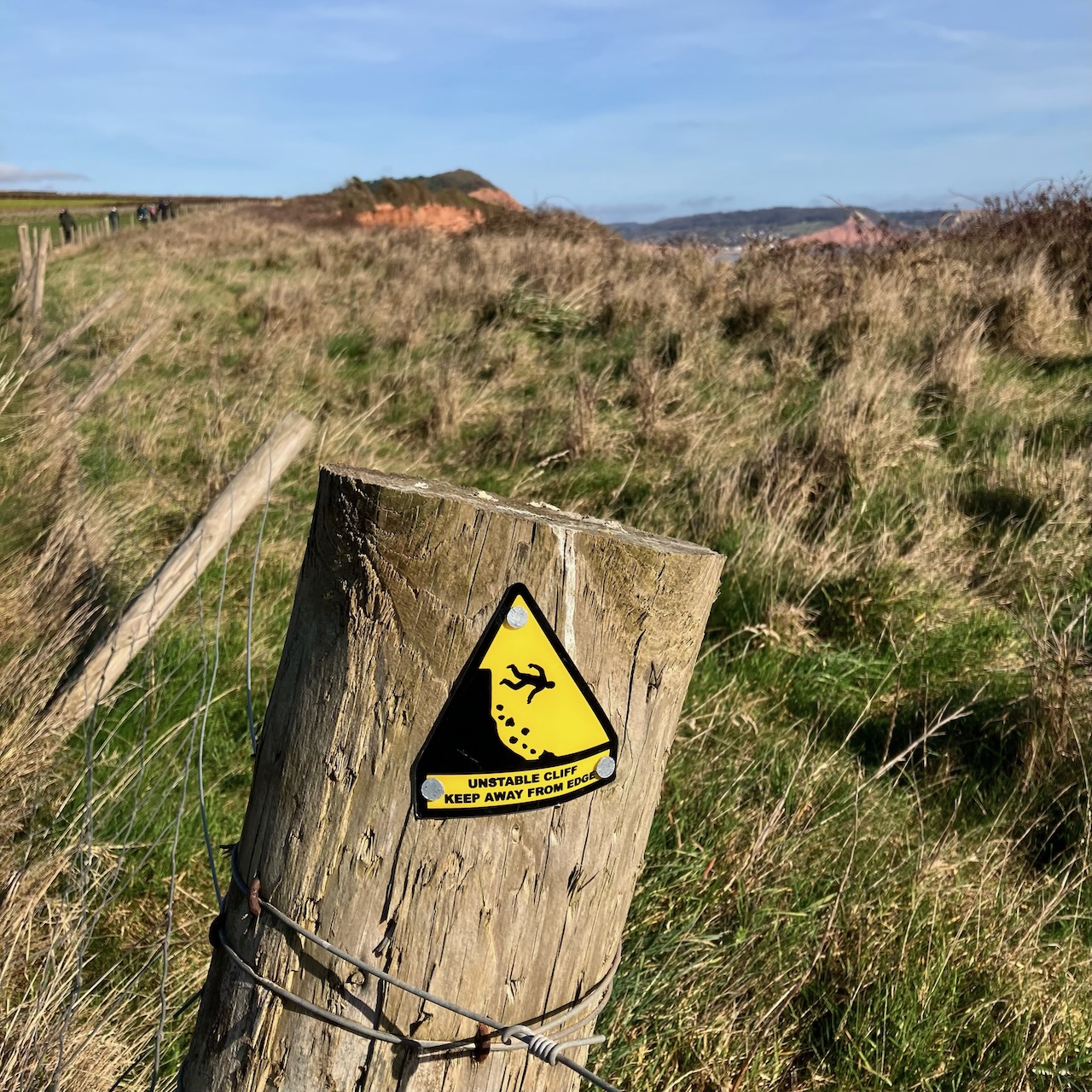
We then carried along the track, and went up the hill to Brandy Head, where there is a good lookout spot. We looked over the bay and found two small groups of red-throated divers. There were lots of fulmars flying around with their rather stiff wing style, I believe that they nest near there. As we continued, we found a pipit on a ploughed field. It was difficult to see as it kept hiding behind clods of earth, and there was a debate as to what kind of pipit. We concluded it was a rock pipit in a field not on the rocks.
We carried on seeing typical farmland birds until we got back to the farm. It was interesting to note how few corvids there were. We saw a splattering of crows, a small group in the distance of black birds, which were too far away to identify, no magpies and no ravens, odd as we were on the cliffs.
A lovely day out thank you to Richard and Paul for very ably guiding us, and to Cilla for her help.
Ann Crawford
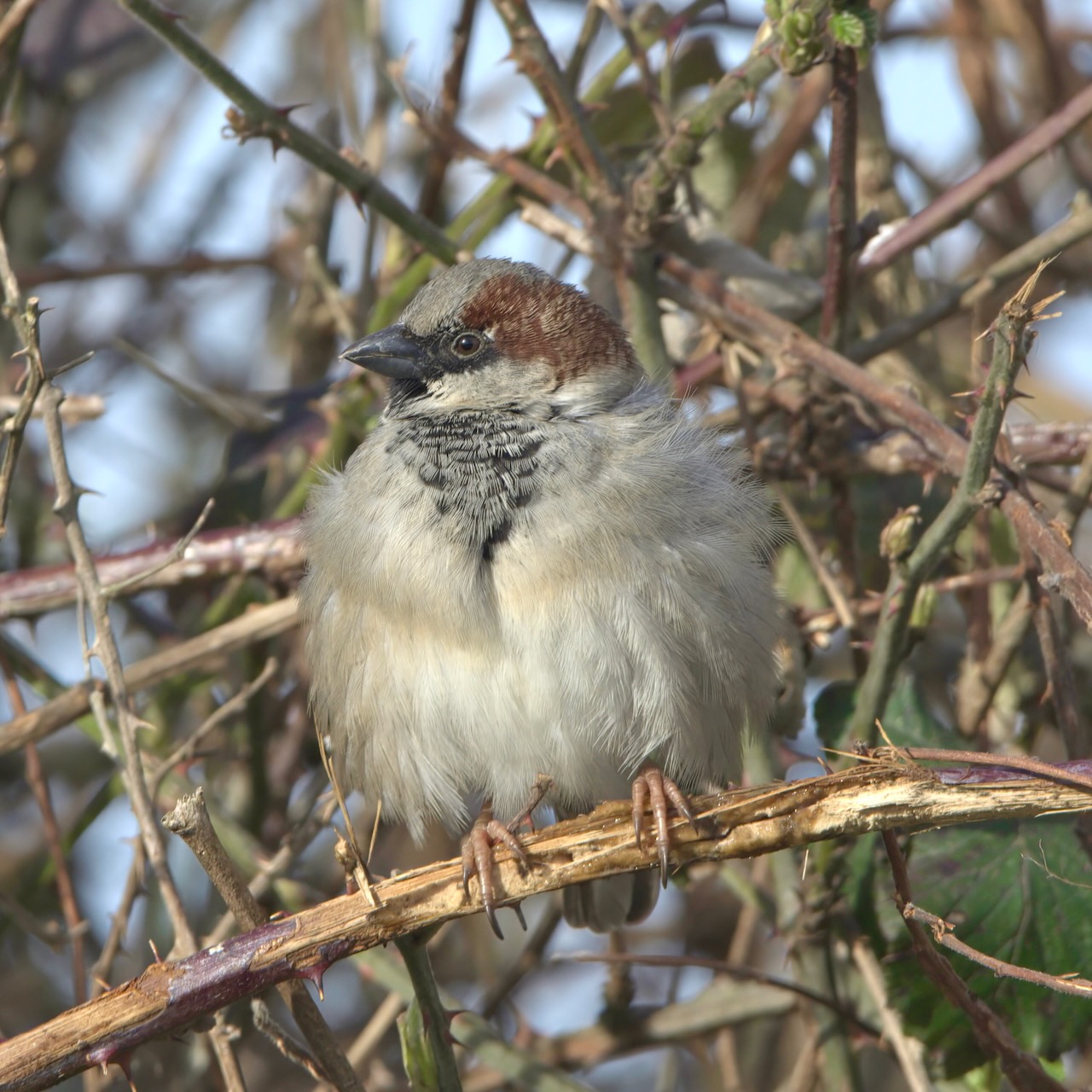
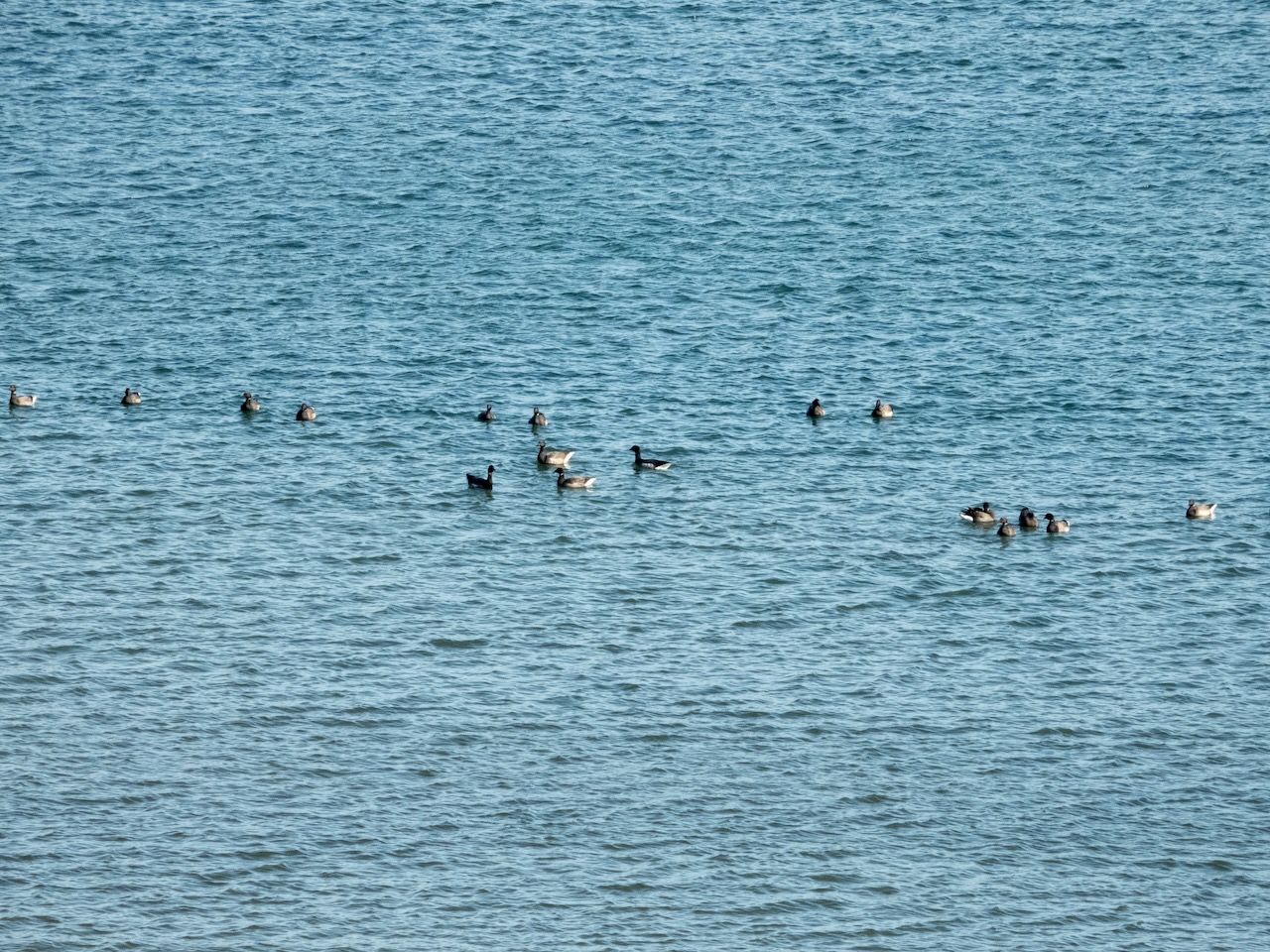
26 bird species identified (H – heard-only): Red-legged Partridge, Pheasant, Brent Goose, Wood Pigeon, Collared Dove, Oystercatcher, Black-headed Gull, Herring Gull, Red-throated Diver, Fulmar, Cormorant, Shag, Grey Heron, Carrion Crow, Blue Tit, Great Tit, Skylark, Wren (H), Robin, Stonechat, House Sparrow, Dunnock, Rock Pipit, Chaffinch, Linnet, Cirl Bunting.
Plus: Brown Hare.