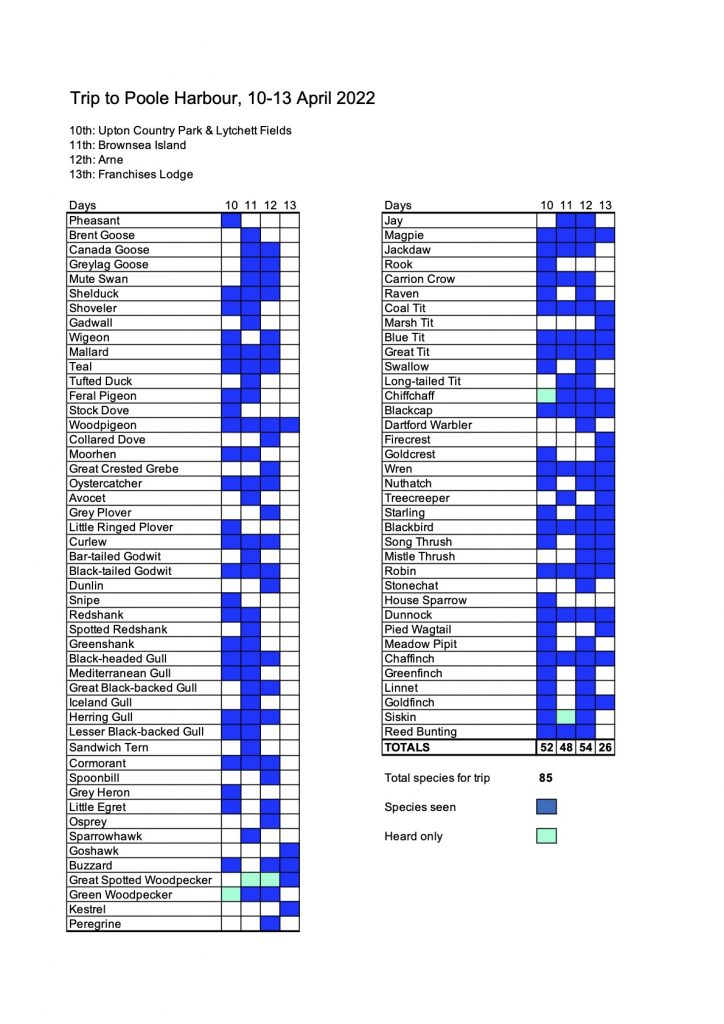
Trip to Poole Harbour, 10th-13th April
We had originally planned to run this trip to Poole Harbour at the end of March 2020, but we all know what happened to that idea. So, once covid restrictions were eased, we were very happy to be able to do this trip, albeit two years late.
Sunday
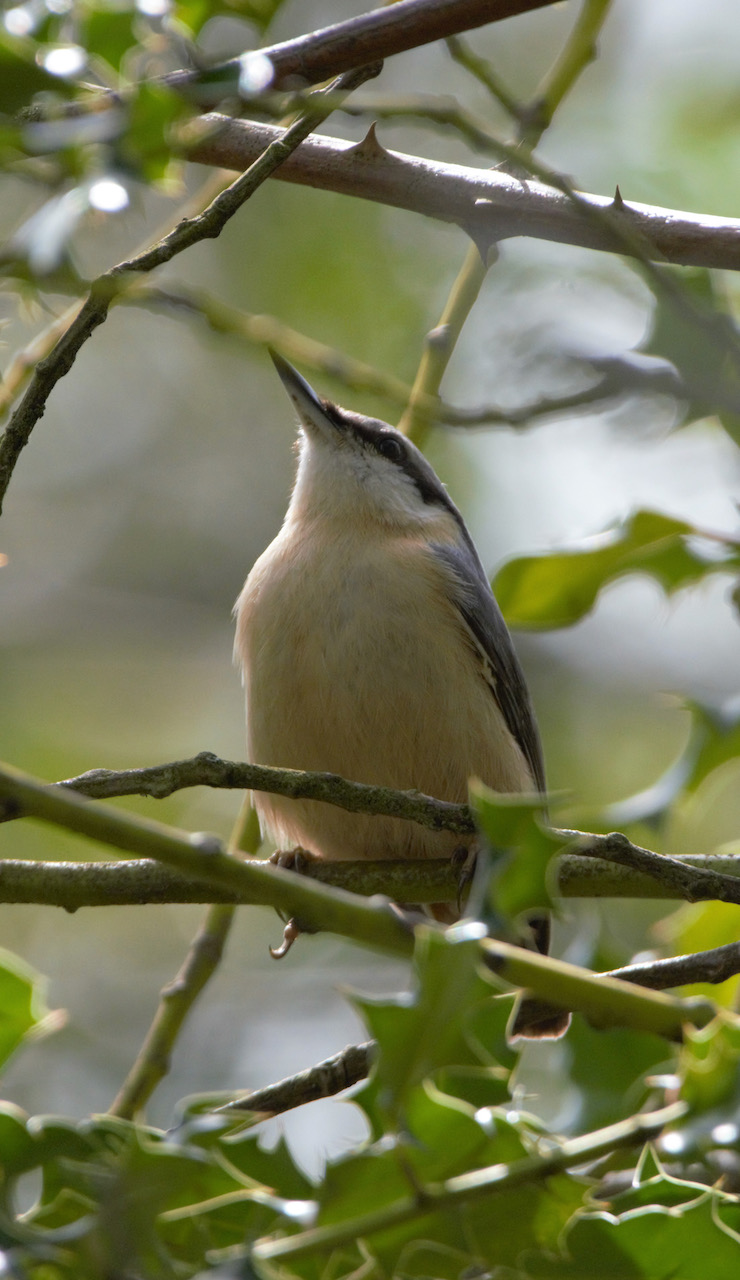
We started our travels at Upton Country Park, a beautiful manor house near Poole set in 160 acres of parkland. We took a short walk through the grounds to the shoreline and set up our scopes to look at the water birds. We saw oystercatchers, redshanks, black-tailed godwits and shelducks. Along the footpath we also spotted some silver birch with perfect holes for nests and watched a nuthatch and goldcrest collecting moss. It was just a fleeting visit to Upton, but we would definitely plan a return trip, plus the café is apparently award winning!
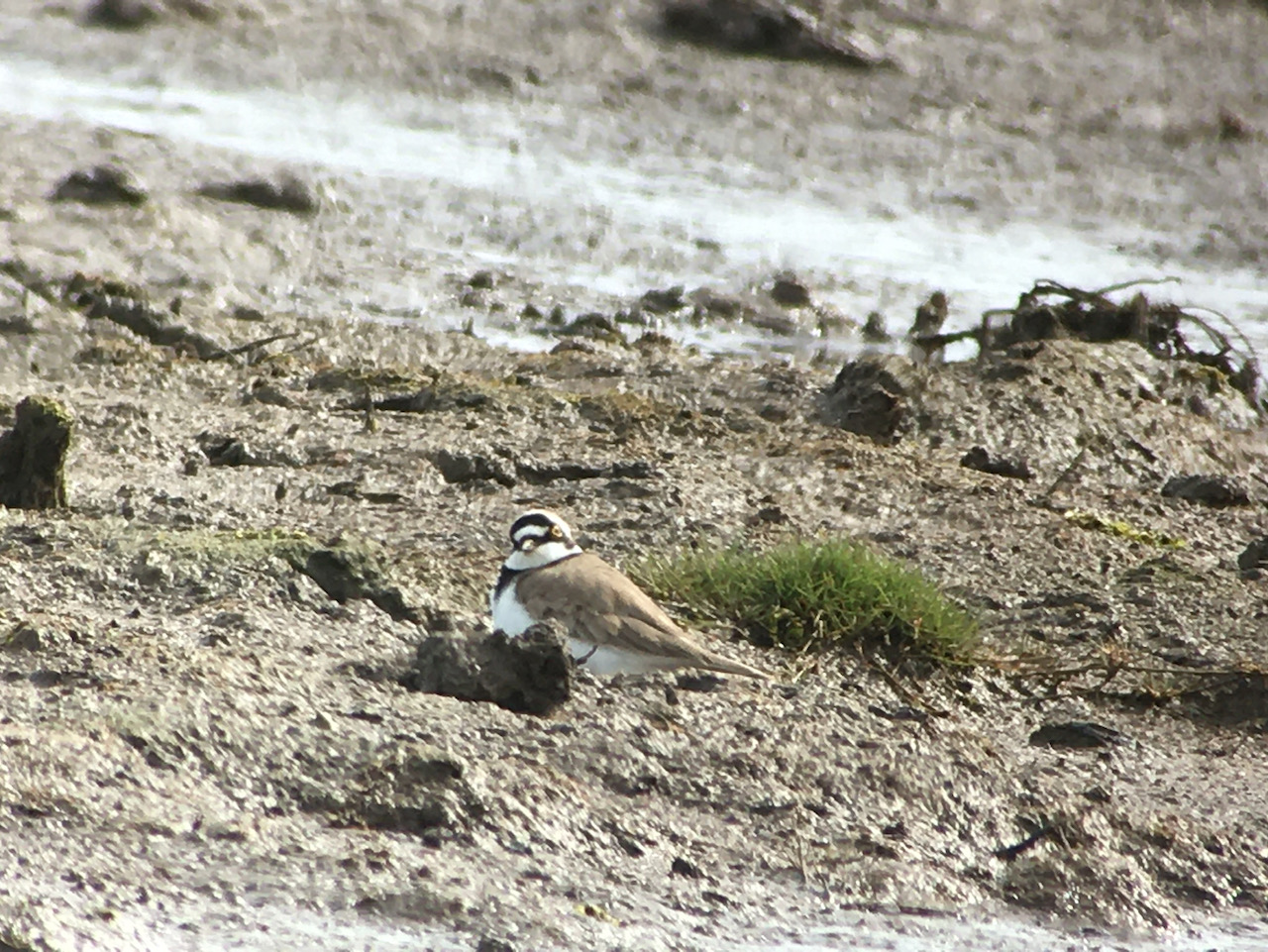
We then made our way to RSPB Lytchett Fields wetland reserve, despite being so close to the A35, the traffic noise does not disturb the waders and we got to see some less common examples. We spent some time watching two little ringed plovers and also a greenshank. Then we took a short walk around the reserve and saw a field of Mediterranean gulls. We had a little wander down the lane on the way to the car park, then we headed off to find the Premier Inn at Holes Bay ready for a rest and some dinner!
Monday
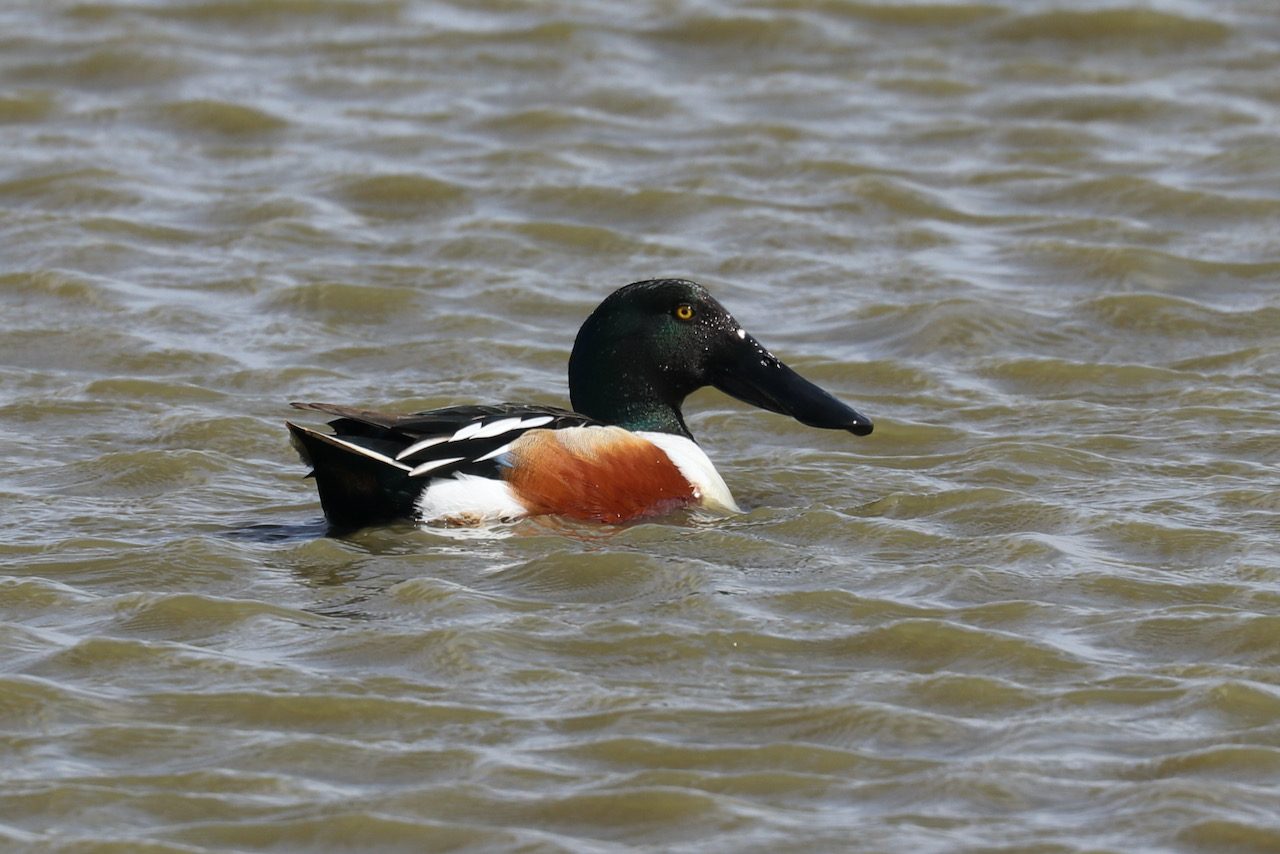
On Monday, we made the trip to Brownsea Island. The crossing to Brownsea was made in a fresh, rather cold wind, but the sun shone all day and visibility was excellent. We spent some time by the buildings, looking out over the lagoon, having good views of all the anticipated waders and ducks, including avocet. We then walked on to the Dorset Wildlife Trust area, getting an update on what was about from the welcoming volunteers. Views from the hides were excellent, the good light showing the birds’ breeding plumage to best advantage. The beautifully mottled colouring on the back of a male teal was something that I had never previously noticed. Mediterranean gulls were a bonus, and easily distinguished from the black-headed gulls at such close range. There was also a webcam being operated from the first hide, giving, upon my request, some close-up pictures of gadwall! Sandwich terns had recently arrived and were in a flock at the far side of the lagoon.

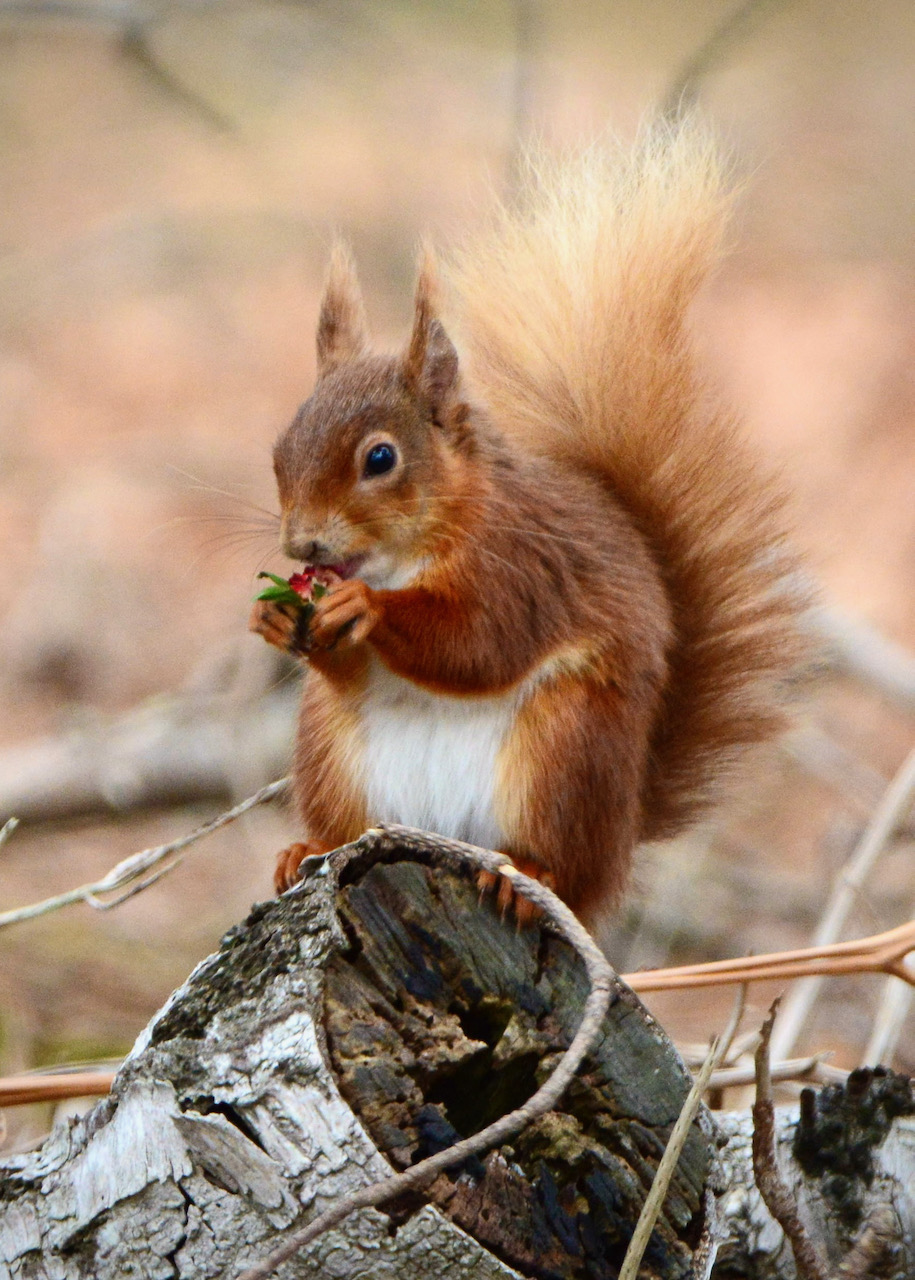
The group split up and took different routes around the island. Almost everyone had at least one sighting of red squirrel, for which Brownsea is famous. Inland, there is a hide overlooking two large ponds, and also an area of heathland. Some trees are being removed to increase the area of heathland and storm damage was also apparent. Of course, the lovely main pine wood will remain. I had no luck with Dartford warbler, and green woodpeckers taunted me with their ‘yaffle’ call whilst remaining hidden. But a treecreeper provided compensation whilst searching for a woodpecker.
With the wind now behind us, the boat crossing back was less choppy and gave us a chance to look back at the lagoon and some of the wonderful birds which we had enjoyed during a super day.
Tuesday
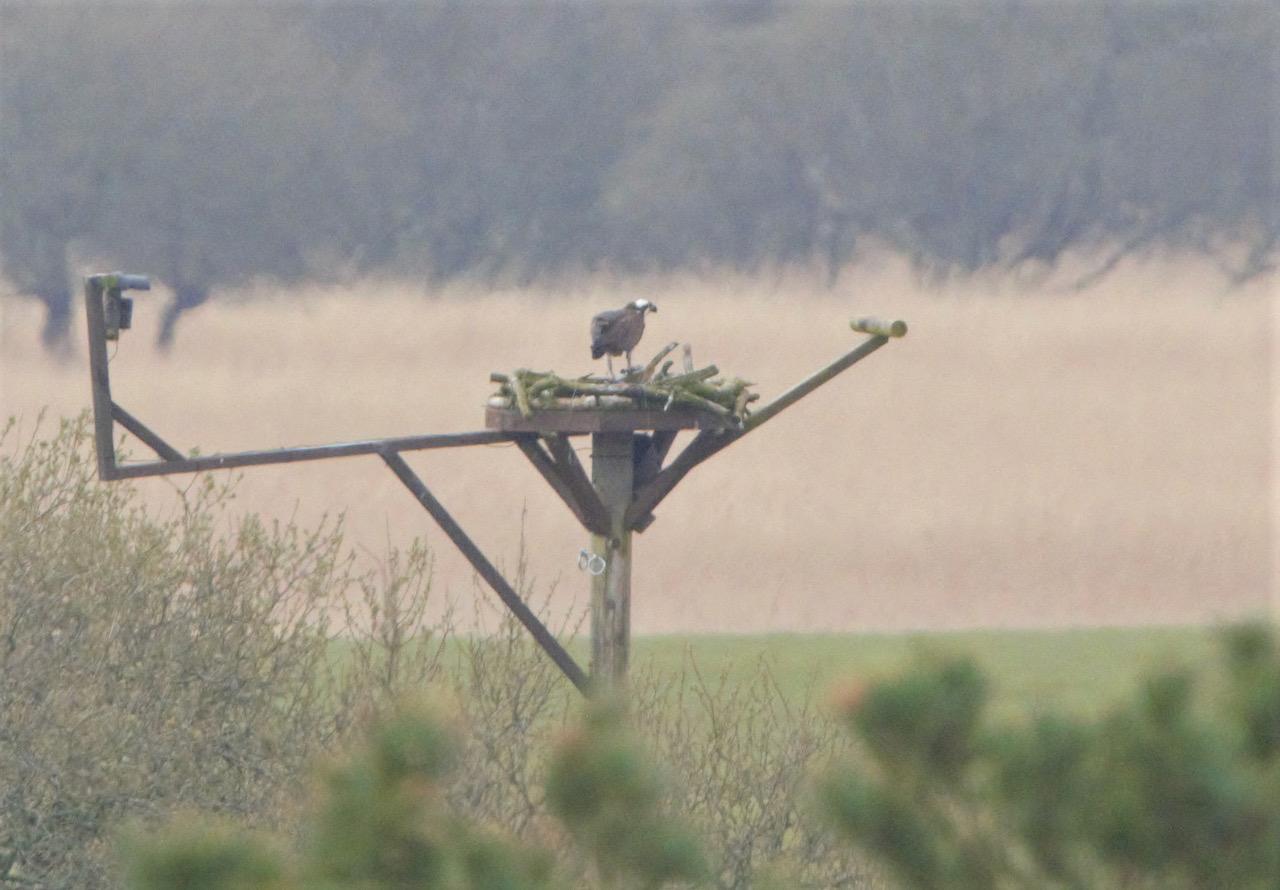
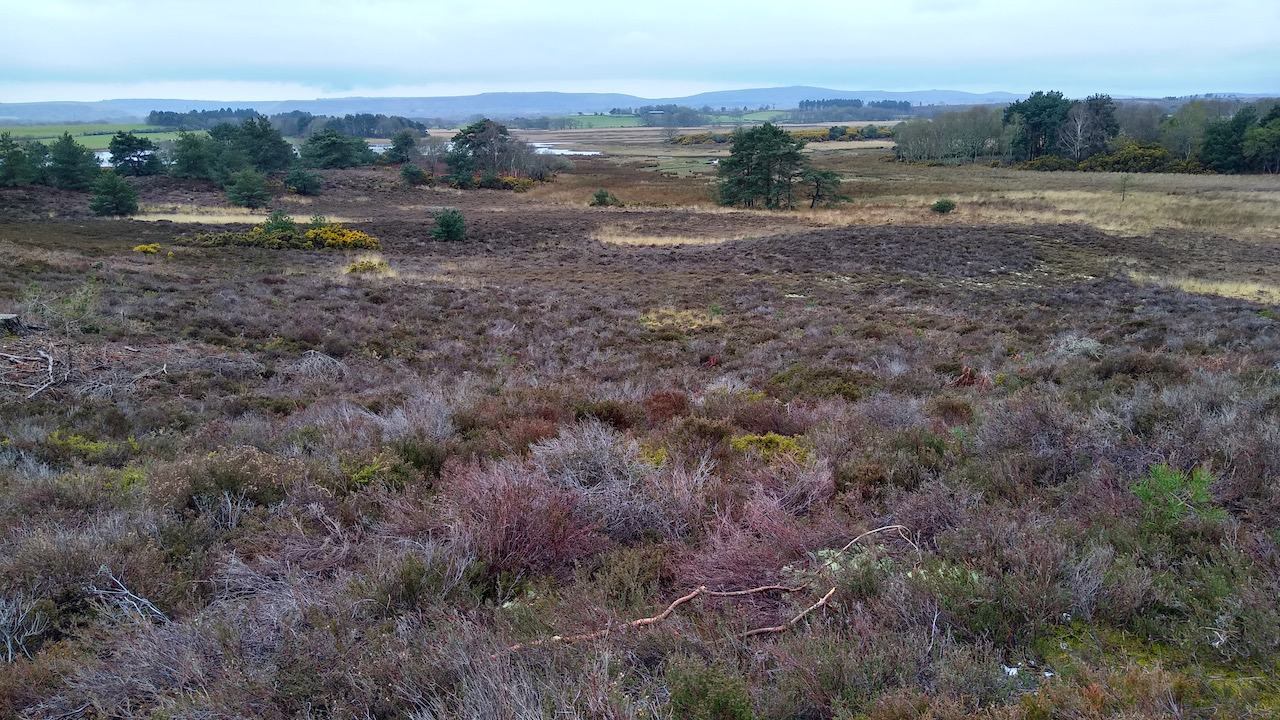
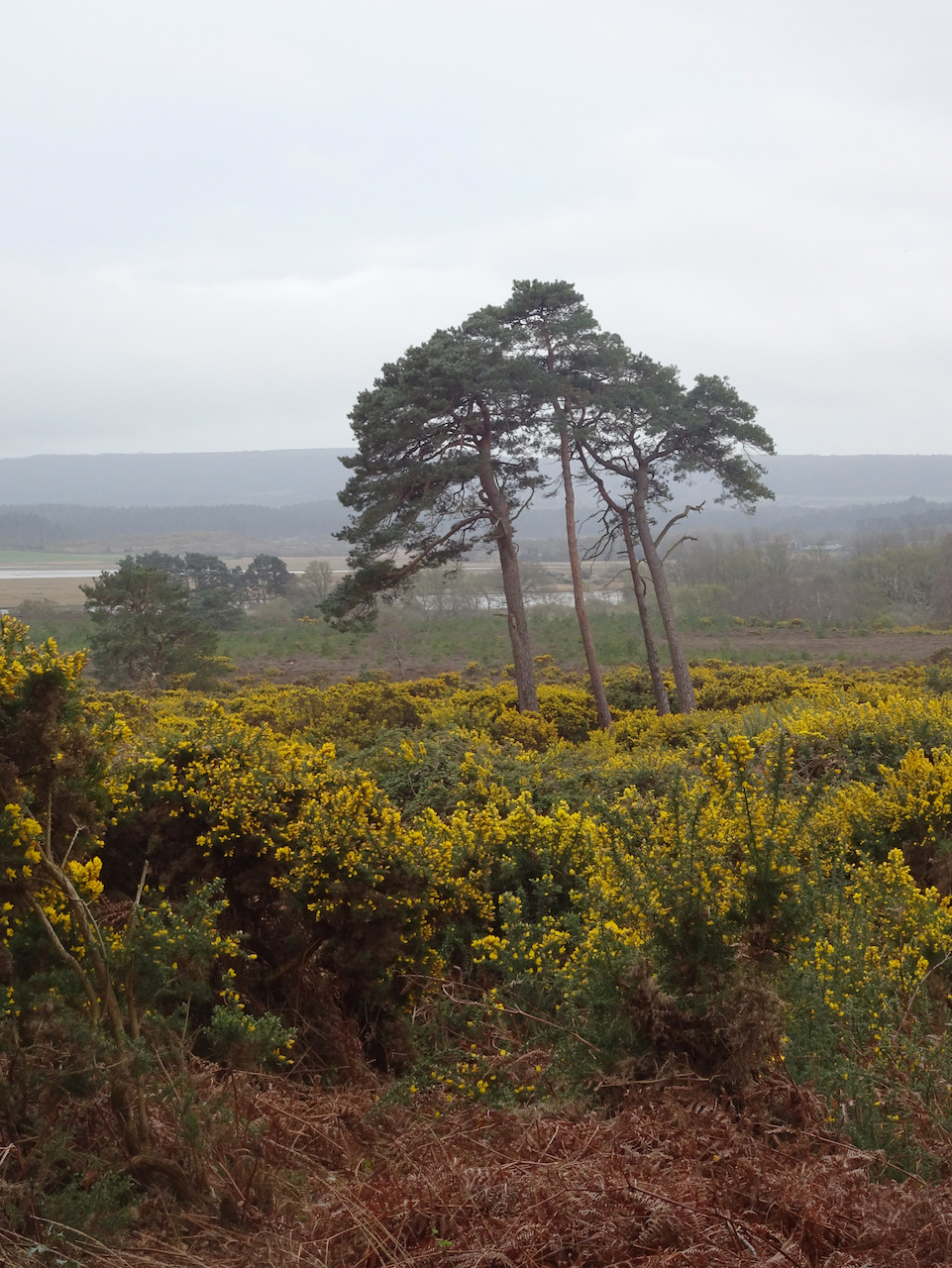
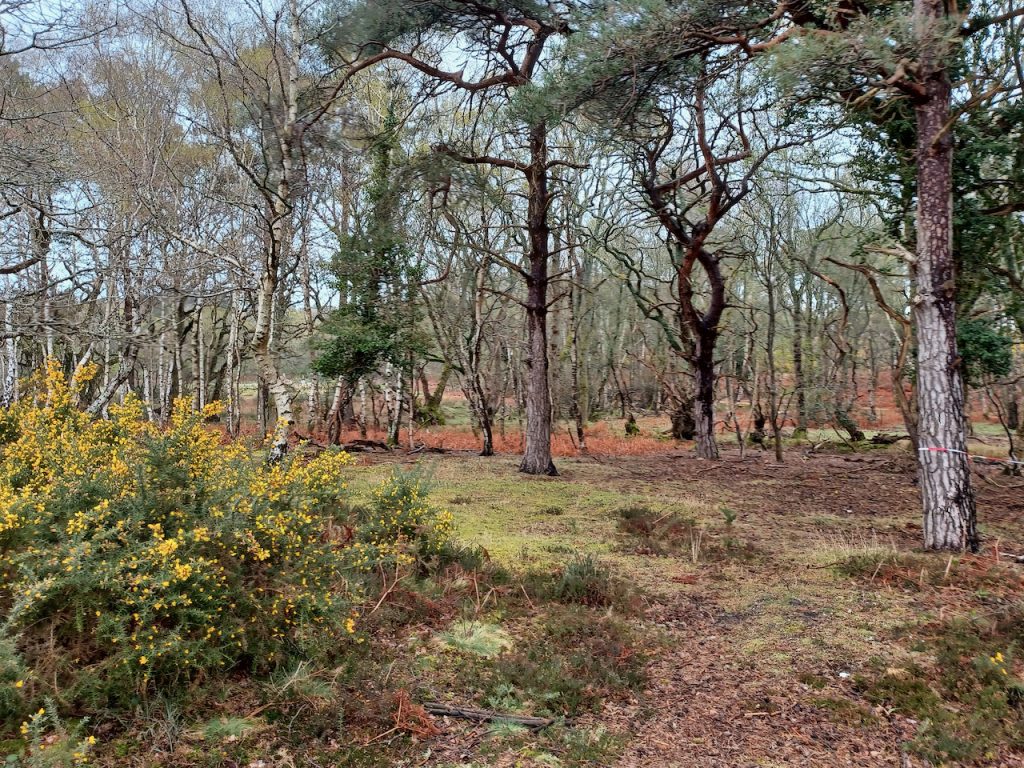
Our trip on Tuesday centred at one of the RSPB`s flagship sites Arne, so we had great expectations and we weren’t disappointed. With heath, woodland and coast a good variety of birds soon delighted our senses with the sights and sounds of song thrush, blackbird, and blackcaps. As we made our way round the site from a mix of different habitats where we spotted black-tailed godwits, curlew and shelduck on the estuary, with the bonus of a pair of spoonbills. To add to our delight, as we made our way to a different location, some of our group spotted an osprey on a nesting platform eating a fish. Then others were entertained by a Dartford warbler popping in and out of the gorse. Later in the day we saw several sika deer, plus one pure white one, and other birds like green woodpecker, siskin, and goldfinch. Arne is truly a special place.
Wednesday
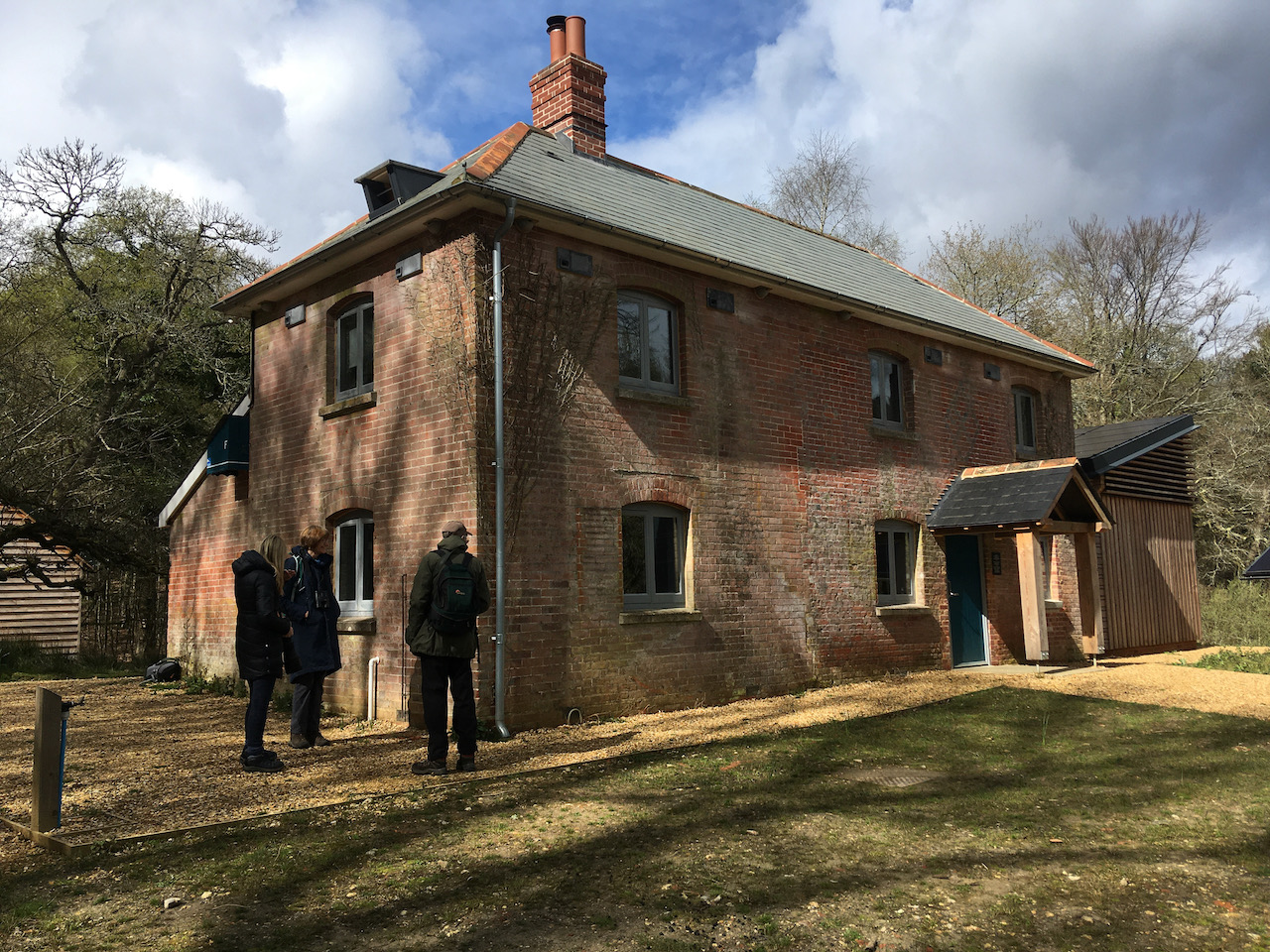
On Wednesday, our final morning, the group gathered at Franchises Lodge (near the Telegraph Hill car park to the east of Fordingbridge), a new RSPB reserve on the fringe of the New Forest. (This visit followed up the talk given a couple of years ago by Richard Snelling, the Site Manager).
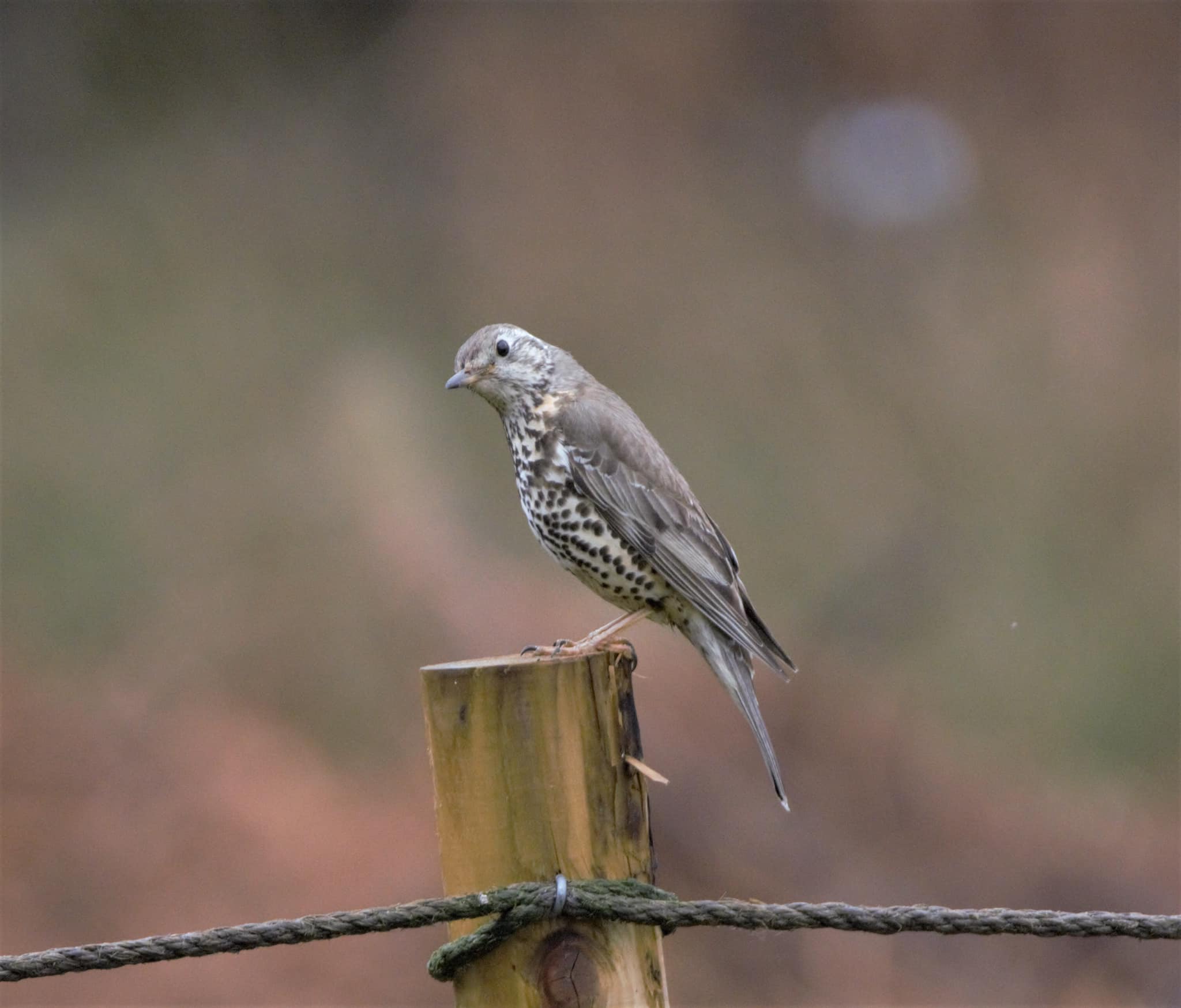
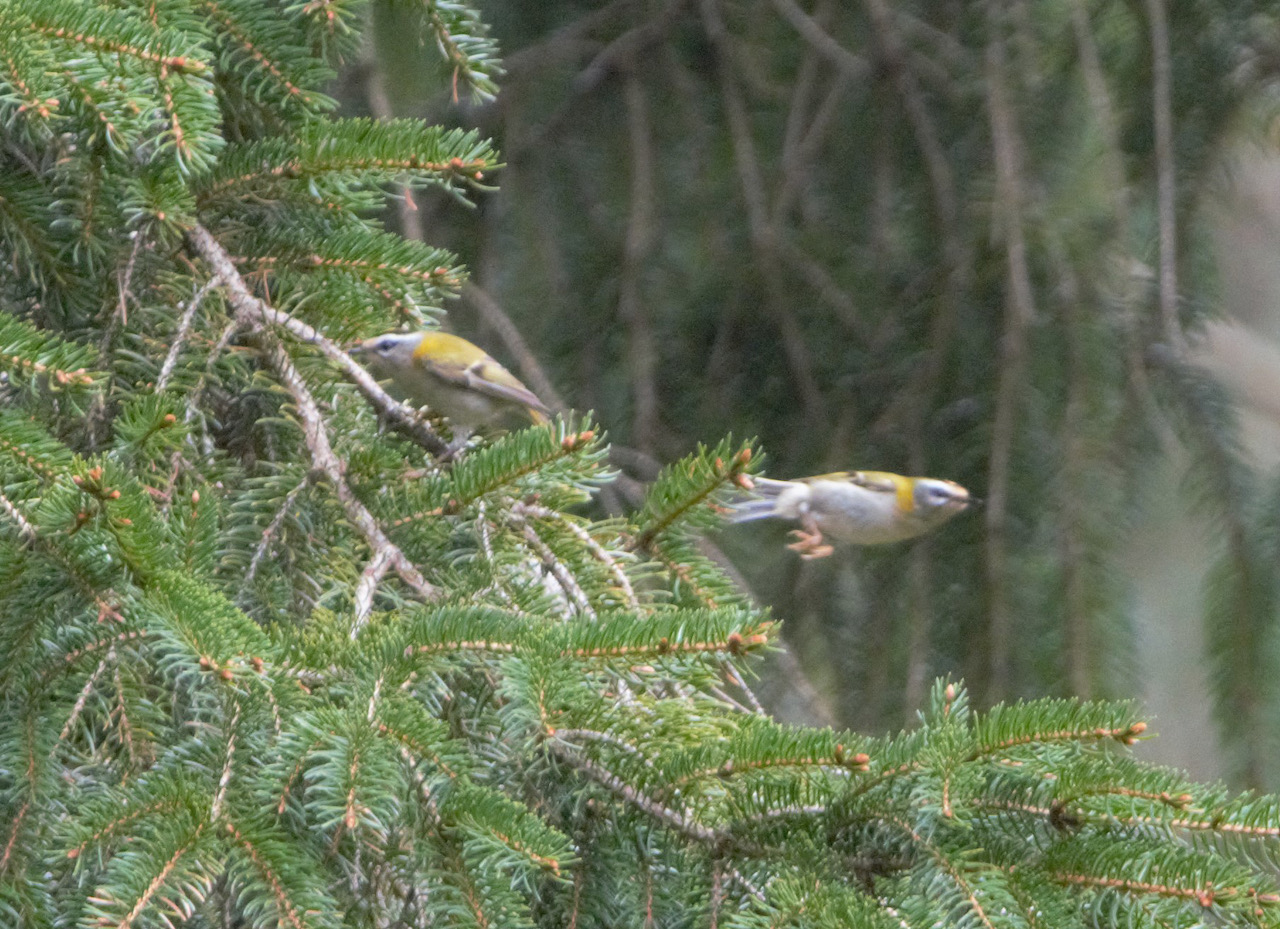
The warden, Saul, conducted a guided walk of the large site. He explained the long-term goals of protecting the SSSI Grade 1 woodland part of the reserve. Over a number of years the heavily rhododendron infested conifer forest will be restored to high quality heathland. The deciduous woods were filled with the chorus of many woodland birds, including chiffchaff, blackbird, song and mistle thrush and a variety of tits. Over the course of the walk several birds of prey were spotted, including good views of buzzard & kestrel and a glimpse of a goshawk. After hearing the call of a firecrest on several occasions, we were finally rewarded with a good view of this fast-moving bird, its distinctive white eye strip clearly visible.
After lunch the group broke up and returned home, some going via the RSPB Winterbourne Downs reserve where rare stone-curlew were seen.
Cat Holt, Pat Thomson, Richard Winfield and Mark Barron